Curcumin for women: are there any special considerations
Curcumin - the yellow pigment of turmeric - has become one of the most popular anti-inflammatory supplements. Women take it for joint pain, muscle soreness after workouts, premenstrual symptoms and simply for health. The editorial team looked into which of these uses have an evidence base and what features of the female body should be taken into account so that the supplement does no harm.
Curcumin: briefly about the substance
Curcumin is the main curcuminoid of the rhizome of turmeric (Curcuma longa). In the spice itself there is little of it, only a few percent of the mass, so supplements use concentrated extracts. It is curcumin that is associated with the anti-inflammatory and antioxidant properties of turmeric.
The main problem with curcumin is its very low bioavailability. It dissolves poorly in water, is weakly absorbed and is quickly metabolized in the liver and intestine. A review by Anand and co-authors (2007) described these limitations and ways to overcome them in detail.
The classic way to increase absorption is combination with piperine, the alkaloid of black pepper. In a study by Shoba and co-authors (1998), piperine significantly increased the concentration of curcumin in the blood of people. Modern manufacturers also use liposomal, phytosomal and micellar forms and complexes with proteins or fiber.
It is worth knowing the critical view as well: a review by Nelson and co-authors (2017) in the Journal of Medicinal Chemistry emphasizes that curcumin is an unstable and non-specific molecule that often gives false-positive results in laboratory tests. Therefore loud conclusions from test-tube studies should be treated with caution.
PMS, the cycle and menstrual pain
One of the few women's uses for which there are clinical data is premenstrual syndrome. In a randomized placebo-controlled study by Khayat and co-authors (2015), taking curcumin over several cycles reduced the severity of the physical, behavioral and emotional symptoms of PMS.
The authors explain the effect by anti-inflammatory action and a possible effect on neurotransmitters. However, this is one small study from one country, and its results require confirmation. It is too early to speak of curcumin as a treatment for PMS.
As for menstrual pain, the logic is similar: inflammatory mediators, in particular prostaglandins, play a role in the occurrence of dysmenorrhea, and curcumin in laboratory conditions suppresses inflammatory pathways. There are insufficient reliable clinical data comparing it with non-steroidal anti-inflammatory drugs for this condition.
Severe menstrual pain that interferes with normal life may be a sign of endometriosis or other gynecological diseases. The editorial team advises not to mask such symptoms with supplements but to see a gynecologist.
Joints, muscles and training
Osteoarthritis of the knee joints occurs more often in women, especially after menopause. A meta-analysis by Daily and co-authors (2016) concluded that turmeric extracts and curcumin can reduce pain and stiffness in arthritis, although the number and quality of studies are limited.
In a study by Kuptniratsaikul and co-authors (2014), turmeric extract was comparable to ibuprofen in its effectiveness for knee pain, with fewer gastrointestinal side effects. For women who tolerate non-steroidal anti-inflammatory drugs poorly, this is an interesting alternative worth discussing with a doctor.
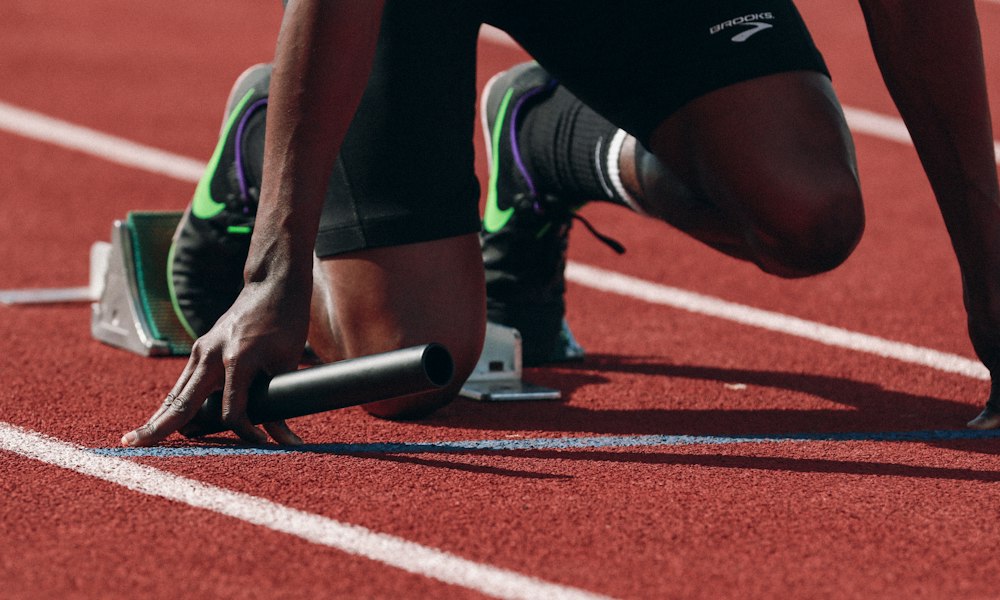
For active women, the topic of muscle soreness is relevant. Nicol and co-authors (2015) showed that curcumin probably reduces muscle pain after eccentric exercise. The effect is moderate but can be useful during periods of intense training or competition.
At the same time, one should not strive to completely suppress inflammation after workouts: part of the inflammatory response is necessary for adaptation. Curcumin is more appropriate during periods of a dense competition schedule than as a constant daily remedy.
Iron, the gallbladder and the liver
For women of reproductive age, iron deficiency is one of the most common problems. In laboratory and animal studies, curcumin behaved as an iron chelator: Jiao and co-authors (2009) showed that it is able to bind iron and reduce its stores in the body of animals. Isolated clinical cases of iron deficiency against the background of high doses of turmeric have also been described.
The practical conclusion: women with low ferritin, heavy periods or diagnosed iron-deficiency anemia should not take high doses of curcumin without monitoring. If you take iron supplements, space them out in time from curcumin.
Curcumin stimulates contraction of the gallbladder. An ultrasound study by Rasyid and Lelo (1999) recorded a reduction in gallbladder volume after taking curcumin. Women more often have gallstone disease, so in the presence of stones the supplement may provoke pain.
In recent years there have been reports of acute liver injury associated with turmeric supplements. An analysis of the Italian phytovigilance database (Lombardi et al., 2021) described a number of such cases, some of which concerned products with increased bioavailability. Any signs of liver damage - jaundice, dark urine, pain in the right upper abdomen - require immediate discontinuation.
| Situation | Potential risk | Recommendation |
|---|---|---|
| Low ferritin, anemia | Worsening of iron absorption | Avoid high doses, monitor tests |
| Gallstone disease | Biliary colic | Only after consulting a doctor |
| Liver disease | Idiosyncratic liver injury | Do not take without a doctor |
| Anticoagulants | Possible increase in bleeding | Agree with a doctor |
Pregnancy, lactation and choosing a form
Turmeric as a spice in food is considered safe even during pregnancy. However, concentrated curcumin supplements are a completely different story: there are no data on the safety of high doses for pregnant and breastfeeding women. The editorial team recommends limiting use during this period to culinary turmeric.
The European Food Safety Authority (EFSA) set the acceptable daily intake of curcumin as a food coloring at 3 mg per kilogram of body weight. For a woman weighing 60 kg this is about 180 mg per day. Supplements often contain much more, and clinical studies used higher doses, but this benchmark is useful for understanding the scale.
In studies of osteoarthritis and muscle soreness, doses from a few hundred milligrams to 1-2 g of curcuminoids per day were usually used, depending on the form. Bioavailable forms allow an effect to be obtained at lower doses, but are probably also associated with a higher risk to the liver in susceptible people.
- Choose products with standardization for curcuminoids and a stated form.
- Start with the lower dose and take it with food containing fats.
- Do not combine several curcumin products at once.
- Take breaks and monitor how you feel, especially in the first weeks.
If you take hormonal contraceptives, antidepressants or other medications, tell your doctor about curcumin: it can affect liver enzymes and transport proteins, although the clinical significance of most such interactions has not been proven.
Editorial conclusions
Curcumin has a moderate evidence base for pain in osteoarthritis and muscle soreness, as well as encouraging but isolated data for PMS. A specific female effect related to hormones has not been proven.
For women, specific risks are important: worsening of iron absorption, provoking biliary colic in the presence of stones, rare but serious liver injury, and the absence of data on the safety of supplements during pregnancy.
A sensible approach is course-based use for specific indications, a high-quality standardized form and monitoring of ferritin in those prone to iron deficiency.
We also recommend reading our materials Curcumin after 40, Quercetin for women: are there any special considerations and Ginseng for women: are there any special considerations.
References
- Anand P, Kunnumakkara AB, Newman RA, Aggarwal BB. Bioavailability of curcumin: problems and promises. Mol Pharm. 2007;4(6):807–818.
- Shoba G, Joy D, Joseph T, et al. Influence of piperine on the pharmacokinetics of curcumin in animals and human volunteers. Planta Med. 1998;64(4):353–356.
- Nelson KM, Dahlin JL, Bisson J, et al. The essential medicinal chemistry of curcumin. J Med Chem. 2017;60(5):1620–1637.
- Khayat S, Fanaei H, Kheirkhah M, et al. Curcumin attenuates severity of premenstrual syndrome symptoms: a randomized, double-blind, placebo-controlled trial. Complement Ther Med. 2015;23(3):318–324.
- Daily JW, Yang M, Park S. Efficacy of turmeric extracts and curcumin for alleviating the symptoms of joint arthritis: a systematic review and meta-analysis of randomized clinical trials. J Med Food. 2016;19(8):717–729.
- Nicol LM, Rowlands DS, Fazakerly R, Kellett J. Curcumin supplementation likely attenuates delayed onset muscle soreness (DOMS). Eur J Appl Physiol. 2015;115(8):1769–1777.
- Jiao Y, Wilkinson J 4th, Di X, et al. Curcumin, a cancer chemopreventive and chemotherapeutic agent, is a biologically active iron chelator. Blood. 2009;113(2):462–469.
- Lombardi N, Crescioli G, Maggini V, et al. Acute liver injury following turmeric use in Tuscany: an analysis of the Italian Phytovigilance database and systematic review of case reports. Br J Clin Pharmacol. 2021;87(3):741–753.
Andriy Melnyk
A strength-sports coach and author of programs for beginner and intermediate levels. Writes about training planning.