Male fertility and sport
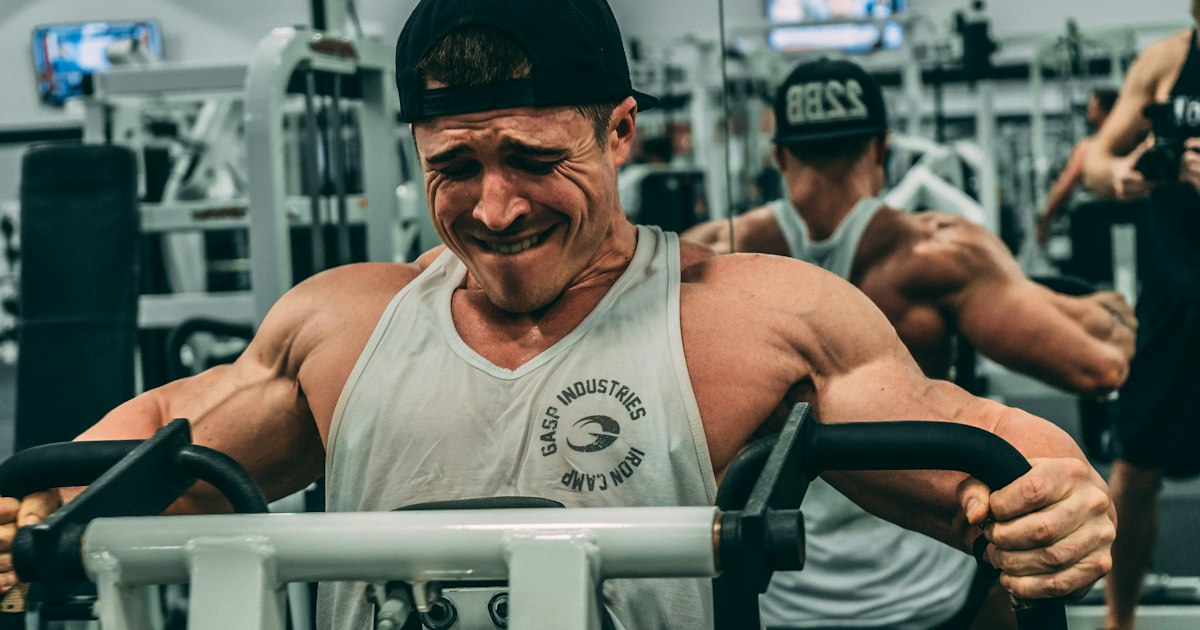
Moderate physical activity is an ally of male fertility, but sport comes in many forms. Excessive exertion, overheating, chronic energy deficit and especially anabolic steroids can significantly worsen sperm quality, sometimes for a long time. The editorial team explains how sport affects spermatogenesis, how to read a semen analysis and what is important for men planning to have children to know.
How spermatogenesis works
Sperm are formed in the seminiferous tubules of the testes. The process is regulated by pituitary hormones: follicle-stimulating hormone (FSH) acts on the Sertoli cells that nurture the germ cells, while luteinizing hormone (LH) stimulates the Leydig cells to produce testosterone. Spermatogenesis requires a very high concentration of testosterone precisely inside the testis.
The full cycle of a sperm cell's development, from stem cell to mature form, takes, by classical estimates, about 64-74 days, and taking into account maturation in the epididymis - approximately two and a half to three months. Therefore any lifestyle changes are reflected in a semen analysis no sooner than a few months later.
The testes are located outside the abdominal cavity for a reason: for normal spermatogenesis their temperature must be a few degrees lower than body temperature. Overheating is one of the simplest ways to temporarily worsen sperm quality.
Spermatogenesis is also sensitive to oxidative stress, toxins, infections and the general energy state of the body. This makes it a kind of indicator of how a person lives and trains.
Semen analysis: what is considered normal
The main test for assessing male fertility is the semen analysis. The standards for performing and interpreting it are defined by the WHO laboratory manual, the sixth edition of which was released in 2021. The reference limits in it were obtained on the basis of data from men whose partners conceived within a year.
| Indicator | Lower reference limit (WHO, 2021) | What it reflects |
|---|---|---|
| Ejaculate volume | 1.4 ml | The work of the accessory glands |
| Sperm concentration | 16 million/ml | The number per unit of volume |
| Total count | 39 million in the ejaculate | The productivity of the testes |
| Progressive motility | 30% | The ability to move forward |
| Normal morphology | 4% | The proportion of sperm of normal shape |
It is important to understand that these limits are not an infertility threshold. Values below them reduce the probability of conception but do not exclude it, and figures above the limit do not guarantee fertility. The previous edition of the manual (Cooper et al., 2010) had similar values, so both sets of figures can be found in the literature.
A semen analysis varies even in a healthy man. The result depends on the period of abstinence (usually 2-7 days are recommended), recent illnesses with fever, and stress. Therefore, when there are deviations, the analysis is repeated at least a few weeks later.
For athletes it is useful to have a semen analysis in advance if they are planning children and have risk factors, in particular the use of anabolic steroids in the past. This provides a baseline and time for correction.

Moderate activity versus excessive exertion
Regular moderate activity has a positive effect on fertility: it helps control weight, improves insulin sensitivity and reduces oxidative stress. In a study by Gaskins and co-authors (2015), young men with higher moderate-to-intense physical activity had a higher sperm concentration, while those who watched a lot of television had a lower one.
At the same time, the relationship has the shape of an inverted U. A review by Hackney (2001) describes that in men with prolonged high-volume endurance training, testosterone may decline, and in some studies sperm parameters worsened. The mechanisms are energy deficit, chronic stress on the hypothalamic-pituitary axis and oxidative stress.
Individual sports carry specific risks. Prolonged cycling is associated with pressure on the perineum and local overheating. Tight compression clothing, frequent sauna visits and hot baths also raise the temperature of the scrotum, which temporarily worsens spermatogenesis.
The good news: the effects of overheating and excessive training are usually reversible. After normalizing the regimen, restoring energy balance and avoiding overheating, sperm parameters often improve within one or two cycles of spermatogenesis.
Anabolic steroids - the main threat
The most serious sports risk factor for fertility is anabolic androgenic steroids and exogenous testosterone. Through a feedback mechanism they suppress the production of LH and FSH. In response, the concentration of testosterone inside the testis falls, and spermatogenesis sharply decreases or stops.
A review by Rahnema and co-authors (2014) describes that steroids can cause azoospermia - the complete absence of sperm in the ejaculate. After discontinuation, recovery often takes many months, and in some men testicular function does not recover fully, which requires treatment by a reproductive specialist.
Paradoxically, even medical testosterone replacement therapy suppresses spermatogenesis. The Endocrine Society guidelines directly advise against prescribing testosterone to men planning conception in the near future. For such patients the doctor considers other options.
- Suppression of LH and FSH and a reduction in testicular size.
- Oligozoospermia or azoospermia during intake.
- Prolonged, sometimes incomplete recovery after discontinuation.
- The need to consult an andrologist-reproductive specialist for recovery.
Attempts to recover on one's own using regimens from the internet are risky and do not guarantee a result. Treatment after steroids should be carried out by a doctor taking into account hormone tests and a semen analysis.
Nutrition, weight and practical steps
A systematic review by Salas-Huetos, Bullo and Salas-Salvado (2017) showed that a diet with sufficient fish, vegetables, fruit, whole grains and nuts is associated with better sperm parameters, while diets with large amounts of processed meat, sweet drinks and trans fats are associated with worse ones. These are observational data, but they are consistent with the general principles of healthy eating.
Obesity worsens fertility through hormonal changes: testosterone declines, the conversion of androgens to estrogens increases, and the temperature in the scrotal area rises. Normalizing weight improves the hormonal background and may improve semen analysis parameters.
A review by Sharma and co-authors (2013) summarizes other factors as well: smoking, excessive alcohol, narcotic substances, stress and lack of sleep have a negative effect on sperm quality. Athletes should also be careful with supplements of opaque composition, which may contain hormonal admixtures.
Practical steps for a man planning children: moderate regular training, avoiding overheating, a normal weight, complete nutrition, giving up smoking and anabolic drugs. Changes should be started at least three months before the planned conception.
Editorial conclusions
Moderate physical activity promotes male fertility, while a sedentary lifestyle and excessive exertion, on the contrary, worsen it. The balance between training, recovery and nutrition is important.
Anabolic steroids and exogenous testosterone are the most serious threat: they can stop spermatogenesis and cause prolonged infertility.
Since spermatogenesis lasts about three months, any positive lifestyle changes do not produce a result immediately, so they should be planned in advance.
We also recommend reading Testosterone norms by age, How to naturally maintain testosterone levels and Erectile dysfunction in young athletes.
References
- World Health Organization. WHO laboratory manual for the examination and processing of human semen. 6th ed. Geneva: WHO; 2021.
- Cooper TG, Noonan E, von Eckardstein S, et al. World Health Organization reference values for human semen characteristics. Hum Reprod Update. 2010;16(3):231–245.
- Gaskins AJ, Mendiola J, Afeiche M, et al. Physical activity and television watching in relation to semen quality in young men. Br J Sports Med. 2015;49(4):265–270.
- Hackney AC. Endurance exercise training and reproductive endocrine dysfunction in men: alterations in the hypothalamic-pituitary-testicular axis. Curr Pharm Des. 2001;7(4):261–273.
- Rahnema CD, Lipshultz LI, Crosnoe LE, et al. Anabolic steroid-induced hypogonadism: diagnosis and treatment. Fertil Steril. 2014;101(5):1271–1279.
- Salas-Huetos A, Bulló M, Salas-Salvadó J. Dietary patterns, foods and nutrients in male fertility parameters and fecundability: a systematic review of observational studies. Hum Reprod Update. 2017;23(4):371–389.
- Sharma R, Biedenharn KR, Fedor JM, Agarwal A. Lifestyle factors and reproductive health: taking control of your fertility. Reprod Biol Endocrinol. 2013;11:66.
- Bhasin S, Brito JP, Cunningham GR, et al. Testosterone therapy in men with hypogonadism: an Endocrine Society clinical practice guideline. J Clin Endocrinol Metab. 2018;103(5):1715–1744.
Andriy Melnyk
A strength-sports coach and author of programs for beginner and intermediate levels. Writes about training planning.